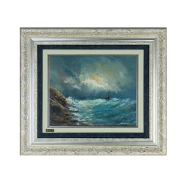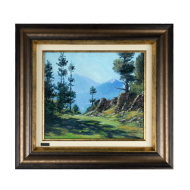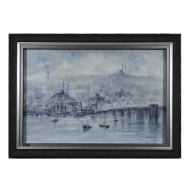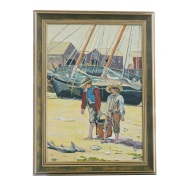


- Stok: 2-3 Days
- Model No: OK2025000030054
- Ölçüler: 94.00cm x 74.00cm x 5.00cm
Paylaş
ESER KÜNYESİ
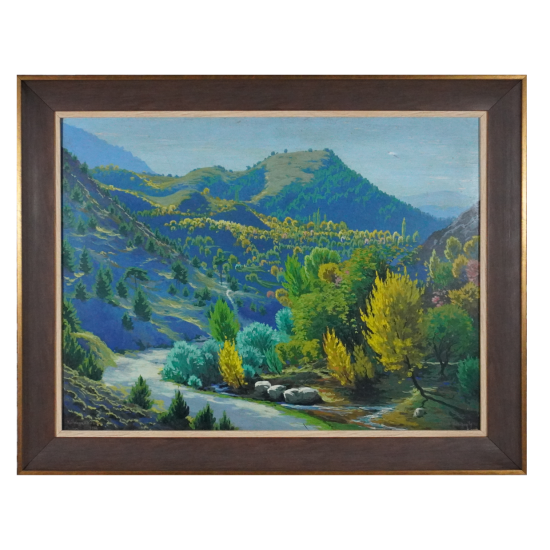
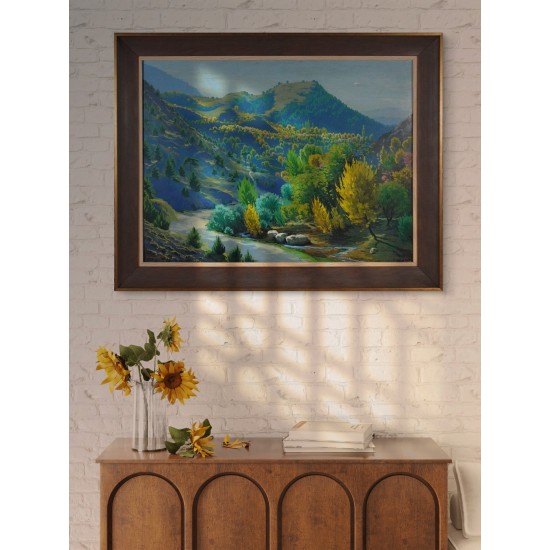
Ressam: Ahmet YAKUPOĞLU
Ölçüler: 94x74 Cm
AHMET YAKUPOĞLU
1920 yılında Kütahyada doğdu. Ortaöğrenimini Kütahya’da tamamladı. 1941 yılında, Kütahya’ya gelen Süheyl Ünver’in onu keşfetmesi ve delaletiyle, şimdiki adı Mimar Sinan Güzel Sanatlar Üniversitesi olan bu akademinin, Feyhaman Duran atölyesinden 1945 yılında mezun oldu.
Bu arada yine Ord. Prof. Süheyl Ünver vasıtasıyla Neyzen Halil Dikmen’in ney talebesi oldu. Aynı zamanda, hayatında en çok değer verdiği insan olan Süheyl Ünver den Tezhip ve minyatür öğrendi.
O dönemde Pariste sergi açabilecek seviyede bir ressam olduğu halde, memleketi olan Kütahya’ya dönmeyi ve tabiatı resmetmeyi tercih etti. Kütahya’da Türk Musikisi çalışmaları başlatarak, başta ney olmak üzere pek çok klâsik Türk Müziği enstrümanını gençlere ve isteklilere öğretti. Kaybolmak üzere olan Rebap sazını yeniden canlandırarak öğrenilmesini sağladı. Onlarca kişiye ney üflemeyi öğreterek Kütahya’nın, bir neyzenler şehri olarak anılmasını sağladı. Neydeki tercihi Şah akordu idi. O yıllarda İstanbul radyosunda neşriyatlara (yayınlara) katıldı.
Tablolarında öncelikle Kütahya ve çevresideki tabiatı resmetmiş, kaybolan sokak ve tarihi yapıları günümüze taşıyan bir ressam olarak kültür ve sanatımıza büyük bir hizmet vermiştir. Resimlerini herhangi bir çizim veya tasarım yapmaya gerek duymadan, yağlı boya veya sulu boya ile doğrudan tuval, ya da bulabildiği her türlü malzeme üzerine yapmıştır. Her türlü suyu olağan üstü bir güzellikte tablolarında adeta akıtmıştır. Bu yüzden suların ressamı olarak da anılmaktadır.
Kütahyanın dışında başta İstanbul olmak üzere, Konya, Bursa, İznik, Antalya, Amasya gibi bir çok şehirden, artık birer belgesel vasfını taşıyan resimler yapmıştır.
Kütahya Müzesinin kurulmasını sağlamış, Tabiat ve tarih sevgisinin ifadesi olarak, resim yapmaktan öte, Kütahya’da yoğun ağaçlandırma çalışmalarında bulunmuştur. Bu çalışmalara ve Kütahya’daki tarihi eserlerin restorasyonlarına maddi ve manevi olarak katılmanın ötesinde fiilen de çalışmıştır.
Arazisini vererek, projesini bizzat tasarlayarak, bugün Kütahya’nın sembolü haline gelen Çinili Caminin inşasını, kendisi de çalışarak sağlamıştır.
Evini bir kültür ve sanat merkezi haline getirmiş, yağlı boya, tezhip, minyatür ve musiki çalışmaları ile herkese açık bir müze ve eğitim yuvası haline getirmiştir.
En önemli yönlerinden birisi minyatür sanatçılığıdır. Klâsik tarzda günümüze ait Kütahya kültür ve sanatını anlattığı minyatür albümü ile Nasrettin Hoca fıkraları olağan üstü güzellikte eserlerdir. 1995 yılnda “Sokağım ve Çinili Cami” minyatürü Türkiye İş Bankası Kültür Sanat Büyük ödülüne layık görülmüştür.
Portre dalında, karakalem ve yağlıboya olarak dostlarından ve çevresinden bazı kişileri resmetmiş ayrıca bahçesindeki kır çiçeklerinden oluşan bir albüm hazırlamıştır.
Çeşitli koleksiyonlardaki ve evindeki tablolarıyla birlikte dört bine yakın resim yapmıştır. Bunlardan evinde olan bin civarında tablosunu, önce kendi adını taşıyan “Ahmet Yakupoğlu Kültür ve Sanat Vakfı” na bağışlanmış, daha sonra bu vakfın feshi ile tüm gayrimenkulleri, musiki aletleri ve zengin sanat kitaplarından oluşan kütüphanesini “Dumlupınar Üniversitesi” ne bağışlamıştır.
Çok fazla sergi açmamış, evinin sergi olduğunu söylemiştir.
Tevazusu, bilge kişiliği, şan ve şöhrete önem vermeyen bir mizacı olan Ahmet Yakupoğlu sabrı ve azmi ile Kütahyanın adını kültür ve sanatta duyurmayı sağlamış, halkın içinde bir gönül adamı olarak yaşamış, Kütahya’nın “Ahmet Abi”si ve “Ressam Ahmet”i olarak kendisini Kütahya’ya adamıştır.
Doğduğu şehir olan Kütahya'da 2 Ekim 2016 tarihinde hakkın rahmetine kavuşmuştur.
- “Ahmet Yakupoğlu’nun fırçasından Boğaziçi” Türk Petrol Vakfı Kültür Yayınları,1983, İstanbul
- “Rengarenk Kütahya”, Türk Petrol Vakfı Kültür Yayınları, 1991, İstanbul (Türkçe - İngilizce)
- “Resimde İstanbul ve İstanbul Ressamı Ahmet Yakupoğlu” Kültür Bakanlığı Güzel Sanatlar Genel Müdürlüğü Yayınları, Aralık 2002, Ankara
- “Minyatürlerle Nasrettin Hoca”, Konya Büyükşehir Belediyesi Kültür Müdürlüğü Yayınları 28, 1999, İstanbul (Osmanlıca - Türkçe - İngilizce)
adıyla yayınlanmış dört adet eseri bulunmaktadır.